

Author’s Note: This piece is the first in a short essay series that offers the personal context behind my debut serialized novel. These essays are not introductions. They are groundwork. I’m not here to explain the story. I’m here to tell you why I had to write it.
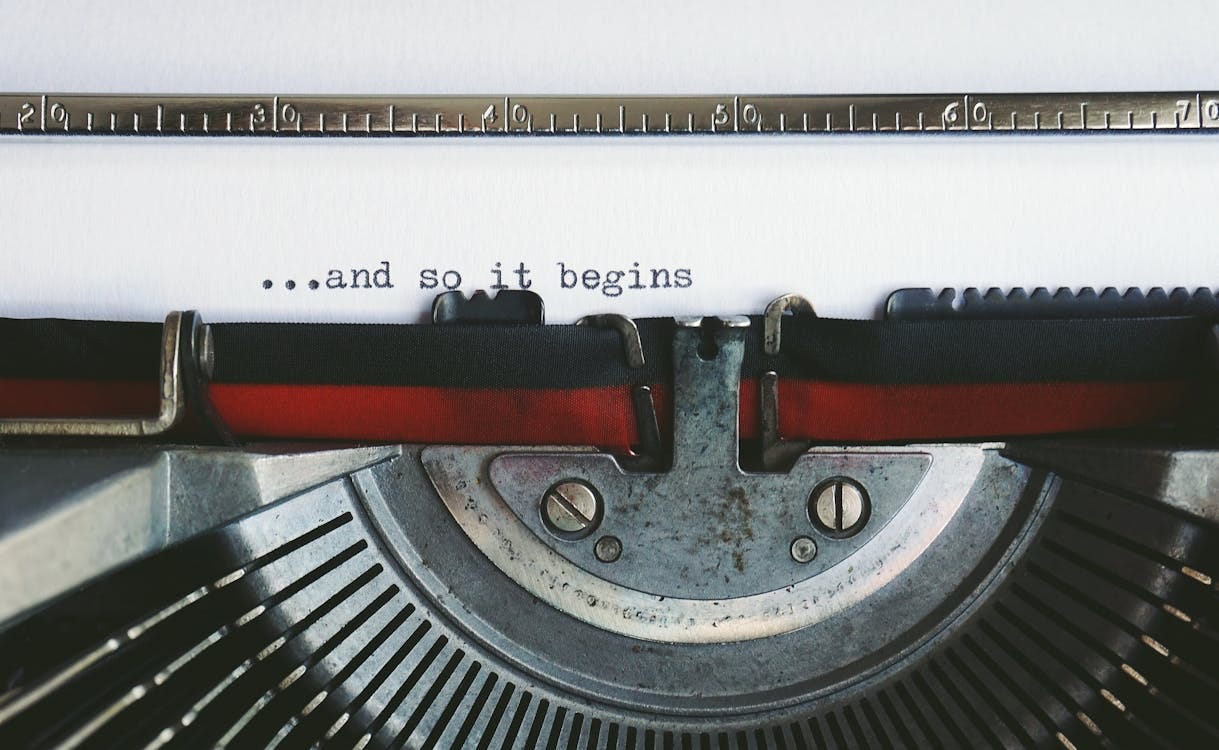
Writing became my shelter.
Books found me first. I read in silence while my father raged down the hall. I read in closets. Under beds. Inside the laundry hamper, grounded by the smell of sweat and detergent. Small places that felt like shelter. Reading wasn’t escape. It was relocation. Somewhere else to be, not because I was safe, but because it wasn’t here.
Writing followed because even books ran out of pages.
The first stories came long before structure. No plot. No arc. Just noise pressed into words. I scribbled in margins and whispered dialogue under my breath, like a child talking herself through the dark. There was nothing literary about it.
I wasn’t aspiring.
I was surviving.
I did not call myself a writer. I did not want to be seen.
The earliest story I claimed was called Crying Ophelia. It came after I saw Millais’s painting in an old textbook: a girl floating, silent, beautiful, presumed broken. I was fourteen. The image stayed with me, not because I understood Ophelia, but because I recognized the mistake everyone made about her.
Everyone thought her stillness was surrender. That silence meant absence of thought, or worse, absence of will.
That manuscript became my shadow. I rewrote it more times than I can count, words erased over and over, with erasable ink that smudged my fingers. But the story never let go.
Twice, years apart, I was offered publishing deals. I said no. I told myself I was too busy. I had school. There was my job. The twins were babies. I told myself I was being practical. Responsible. Later, I understood what I had actually been doing: protecting myself from what might come after being read.
I was waiting to feel safe, but it never happened.
There is no perfect moment to publish. But there are thresholds. Mine came as my children prepared to leave home, and I looked around at the life built around care, obligation, and embedded trauma.
The only thing I had left undone was my writing.
Because I understood what visibility costs. It doesn’t stop with rejection. It reaches further, into distortion. Visibility invites response. Response escalates. Consequence arrives.
I reconsidered everything.
I thought of traditional publishing versus the indie route. Then I stumbled into a conversation with Elle Griffin, who publishes serialized essays through Substack.
She mentioned a format that brought something old back to the surface.
I remembered the magazines.
My aunts used to get women’s monthlies, and in the back, after the makeup and fashion, there was serialized fiction. There is no binge. The structure isn’t obligated to deliver a peak every time. Just the slow, quiet ache of waiting. I had forgotten what that felt like.
Serialized fiction never promised a clean experience. But it did offer cohabitation. You lived with a character over time. You got to know her in fragments, and not always in order.
I decided that’s what I want.
Not because I believe serialization is trendier or more authentic. Because that’s how these stories live: nonlinear, not asking for direction, just movement.
There’s no clean way to explain what these women carry.
I’m writing about women who don’t arc cleanly. They make decisions they can’t undo. Sometimes they stay silent longer than they should. They even confuse loyalty with love.
Their stories are about being bicultural, not in a celebratory way, but in a way that splits the tongue. They’re about rage that doesn’t turn righteous. Healing that doesn’t resolve. Families that fracture inward. There are no heroines. Only women trying to survive the consequences of having been girls.
These stories are not fan service. They’re not designed to perform empowerment or to flatter sensibilities. They are what I have experienced. I’m not asking anyone to agree with them–only to sit with them.
I chose Substack because time matters.
Not in the hustle sense. In the limited sense. I have health issues. I don’t assume endless tomorrows. I’m finishing what I started while I still can.
Serialization lets me build something in the open. Slowly. Truthfully. Without waiting for permission. It doesn’t offer me protection, but it does let me exist on my terms. It lets the work breathe as I create it.
That’s all I want.

This story isn’t polished. Neither am I.
I’m a first-time author at 59. I’ve spent decades writing in the dark, shaping pages no one saw. Now I’m choosing to share. I don’t want to be discovered. I want to be read.
The voice is mine, and it’s awake now.
Thank you for reading Beneath the Weight of Water. Paid subscriptions are optional support for future chapters, illustrations, and the long work of keeping the story alive.
What have you kept hidden because sharing it felt more frightening than creating it?
Next Chapter
The Women I Write Are Not Empowerment Proxies

Author’s Note: This essay is the second in a short pre-release series written ahead of my serialized novel. These pieces don’t explain the story. They establish the conditions under which it exists: what kinds of women I write, what kinds of choices they make, and why I refuse to flatten their survival into something empowering.
Start from the Beginning
If you like writing essays about craft, revision, and the deeply offensive behavior of first drafts, subscribe for more.
Copyright © 2026 Angelica Thorne
For permission requests, contact angelicathorne@icloud.com.