

Author’s Note: This essay is part of a larger series examining how Mexican American identity is shaped by silence, erasure, and conditional belonging. It is written not as nostalgia or indictment, but as an insistence that what goes unnamed in literature eventually reappears in public life, with consequences.
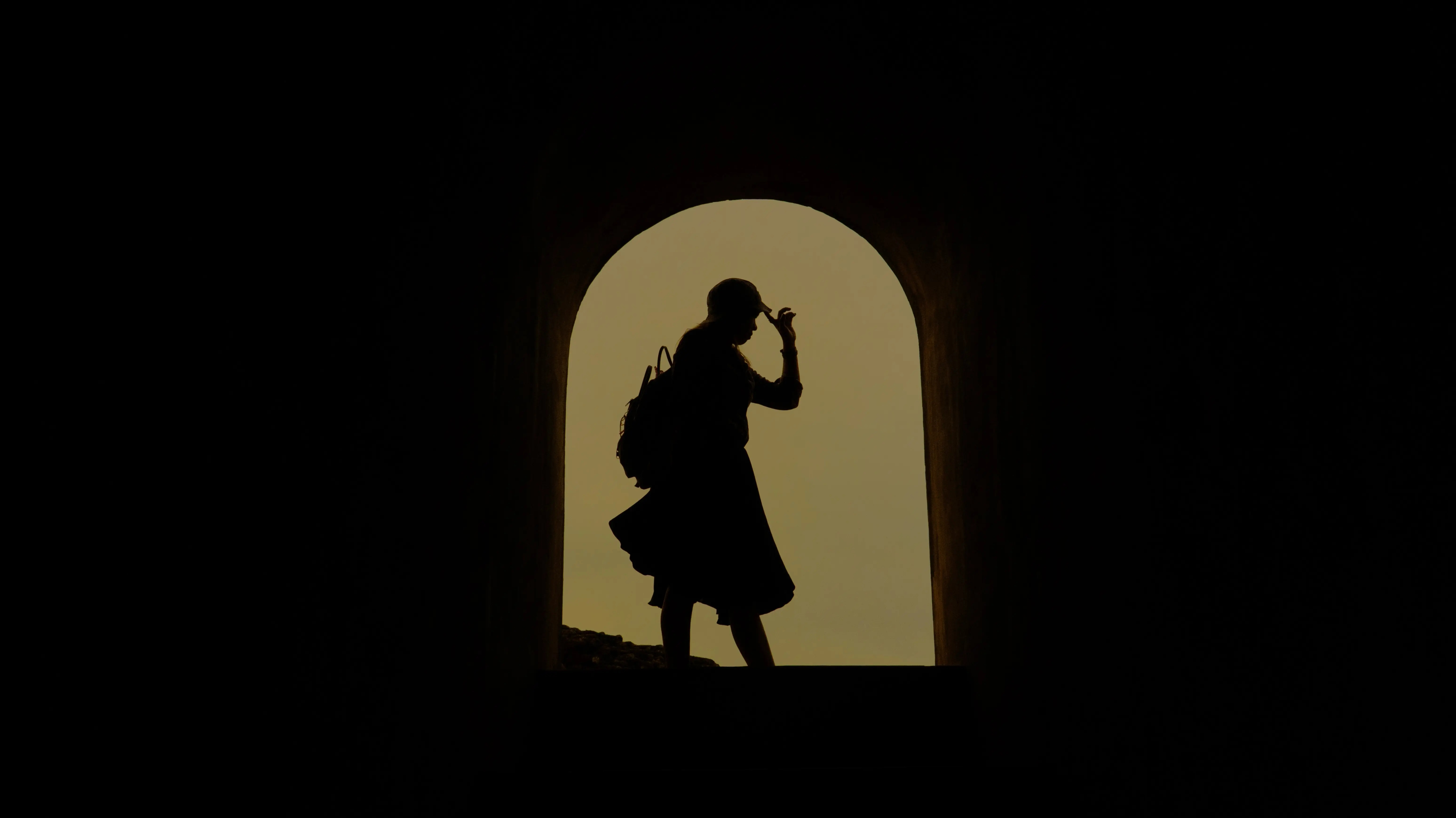
Mexican American identity is questioned and often erased on the page.
Silence became my default setting because I grew up with a violent father. But silence is not protection. Even when you claim space and follow every rule, belonging does not arrive.
Not legally.
Not socially.
Not personally.
Citizenship is paperwork dismissed at will. Acceptance is something else entirely.
Literature does not name this. Not clearly.
It rarely recognizes the citizen who remains marked. A voice that stays suspect no matter how fluent it becomes.
The pattern of exclusion repeats in quieter forms. In hiring committees. In relationships. In the small signals that tell us we are tolerated, not accepted. And lately, the political climate has made the stakes hard to ignore.
When literature refuses these experiences, the consequences are not only artistic. They shape how we are seen and how easily we are erased.
Some Hispanics, including Mexican Americans, believe they have crossed over.
They tell themselves that proximity to whiteness, education, or citizenship is enough to protect them.
Sadly, they vote in ways that indicate they think of themselves as accepted. They forget that safety here has always been conditional.
And when that forgetting sets in, it becomes easier to overlook the cost of that lapse in memory. Then we all pay the price.
Personal Cost of Forgetting
I dated a White man while in my doctoral program. Because of the pressure of research, neither of us had introduced the other to our families in person. His family loved me, at least on the phone (no FaceTime back then). I looked good on paper: great job, well traveled, money in the bank, and a doctoral program like their son’s.
I was perfect. Until I wasn’t.
Race was not an issue for my boyfriend, who took for granted that it would not be an issue for his family. Since I went by Angie, they didn’t realize I was Mexican American.
When we arrived at his family barbecue, his father opened the door and stopped me at the threshold. His mother made a scene. My boyfriend took my side. But you don’t just marry the person. You also marry their family. I ended the relationship that night.
Nearly thirty years later, my daughter had a version of the same experience. She presents as white. My husband is of German descent, and my family is from Jalisco, where people are as likely to have brown skin and brown eyes as they are to have green eyes and white skin. More than half of my family looks nothing like me, and that includes both of my daughters.
The daughter I’m talking about looks like Snow White. She can’t even tan. And though she is proud of her Mexican American heritage, people don’t believe her until she pulls out my picture or introduces me.
So, no surprise, her boyfriend’s family loved her.
Until they didn’t.
What changed? They met me.
His mother stopped acknowledging my daughter’s presence in public spaces. Jokes turned sharp. Comments turned coded. She scheduled trips to make sure my daughter and her boyfriend couldn’t spend time together.
His mother’s attitude was corrosive and insidious. They broke up.
The Social Dangers of Erasure
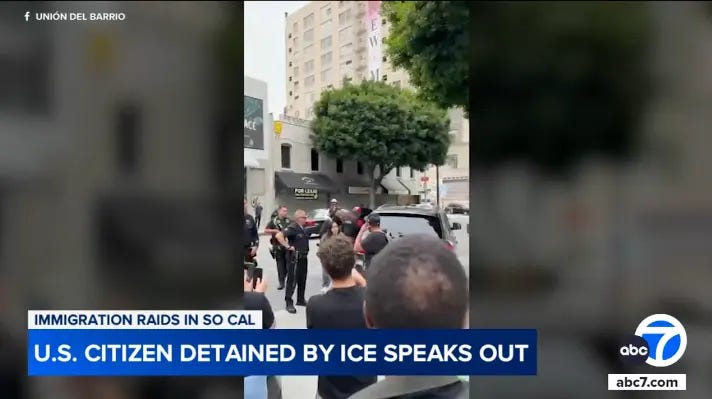
It is not a coincidence that many Latinos supported an administration that now treats us as disposable. We rarely tell our stories, and we flatten our history.
People allow themselves to forget the deportations of the Depression era, when citizenship papers did not stop families from being taken. They forget the signs that said, “No Mexicans or Dogs Allowed,” the Zoot Suit Riots, the mass deportations of the 1950s, and the fight for civil rights in the 1960s and 1970s. The inglorious list does not end there. It continues to grow, decade after decade.
These stories are evidence of what it means to live in this country, in this body, in this space that is always being policed from both directions.
We need the Mexican American experience to be reflected on the printed page.
When we pretend we are past these moments, we lose the language to name them. It opens the door to revisionist myths, sanitized histories, and voters who believe they are immune to harm.
When we do not write them, we lose the ability to defend ourselves when they return.
They always return.
History does not forget us. It waits to remind us what it has done before.
← Previous Essay | Next Essay →
Subscribing simply means new work arrives by email, with access to publication archives. No ads. No noise. Just the writing, as it unfolds.
If you enjoyed this piece, check out some of my other essays:

Beneath the Weight of Water | Serialized Literary Fiction

Lucia Perez lives in a house where anger is excused, silence is expected, and survival means staying small. She keeps her head down, studies hard, and holds on to one fragile hope: that education might be her way out.


ICE officers really need to be clearly identified to avoid repeated instances like this. A young woman should not have to assume every masked and armed man is ICE. We need better systems and cooperation with Local governments, but most importantly, Congress is 40 years overdue on immigration reform, which continues the cycle of deportations. Unfortunately, some of those that suffer the most from illegal immigration are those of HIspanic descent that came here legally. That needs to stop! Once you are granted Citizenship, you should have all rights and acceptances socially and legally, and not fear that you might be the next target racially profiled because of your skin color.